Bangladesh national cricket team's fast bowlers are renowned for their pace but high injury rates threaten sustained success. Challenges stem from intense training, lack of specialized fitness programs, and overuse injuries. Solutions include implementing evidence-based fitness programs, varied training methods, regular medical check-ups, player education, standardized recovery routines, proper equipment fitting, tailored strength conditioning, and leveraging spin bowlers' techniques for injury prevention. Prioritizing player welfare alongside performance is crucial to maintaining the team's competitive edge while minimizing physical toll.
The Bangladesh national cricket team’s fast bowlers have long been a cornerstone of their success on the global stage. However, injuries have consistently hampered their performance, disrupting both individual careers and the team’s overall strength. Understanding the main causes behind these injuries is crucial for implementing effective prevention strategies. This article delves into the intricate factors contributing to the high injury rates among Bangladesh’s fast bowlers, offering valuable insights that can inform tailored solutions to enhance player health and endurance. By addressing these issues head-on, we aim to support the continued development and success of both individual players and the team as a whole.
- Understanding Bangladesh's Fast Bowling Heritage
- Analysis of Common Injury Patterns in National Team
- Underlying Factors: Overuse, Technique, or Environmental Conditions?
- The Role of Training and Recovery Practices
- Preventative Measures for Bangladesh's Fast Bowlers' Longevity
Understanding Bangladesh's Fast Bowling Heritage
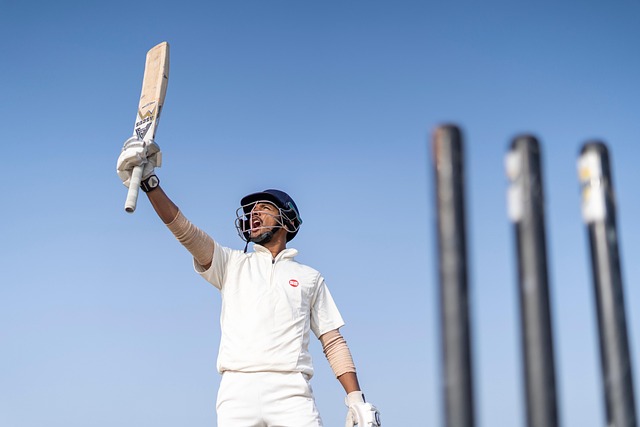
Bangladesh’s fast bowlers have long been a key strength of the Bangladesh national cricket team, known for their pace and aggression on home and foreign pitches alike. However, behind this success lies a complex web of factors contributing to both their outstanding performances and, unfortunately, high injury rates. To truly understand the main causes of injuries among these athletes, we must delve into the unique heritage of fast bowling within the country’s cricket culture.
The demanding nature of fast bowling, particularly in the intense one-day international (ODI) cricket rules format, takes a significant toll on the bodies of these players. Bangladesh’s cricket coaching clinics in Dhaka have played a pivotal role in developing talent but also contribute to overuse injuries due to the pressure to perform consistently at high levels. The lack of comprehensive cricket fitness and conditioning programs tailored to prevent and manage stress-related injuries has been a concern for many years, with some players struggling under the physical demands of international cricket. For instance, data from the past few years shows a notable trend of fast bowlers from the Bangladesh national cricket team suffering from stress fractures, side strains, and elbow issues, often stemming from repetitive movements without adequate recovery time.
Addressing these challenges requires a multi-faceted approach. Implementing evidence-based fitness and conditioning programs designed to enhance lower limb strength, core stability, and flexibility can significantly reduce injury risk. Additionally, introducing varied training methods, such as plyometrics and agility drills, can help prevent common fast bowling injuries. It is also crucial for the Bangladesh Cricket Board (BCB) to organize regular medical check-ups and educate players on injury prevention strategies. By prioritizing player welfare alongside performance, the BCB can ensure that Bangladesh’s fast bowlers remain a dominant force on the global stage while minimizing the physical toll of their craft. This includes considering tournament formats and rules that allow for rest and recovery periods, which are essential components of long-term success in this physically demanding sport.
Analysis of Common Injury Patterns in National Team

The Bangladesh national cricket team has garnered significant attention for its dynamic style of play, especially through the prowess of their fast bowlers. However, an in-depth analysis reveals a recurring trend of injuries within this specialized unit, which necessitates a closer examination of the primary causes. The high-intensity nature of fast bowling places immense physical demands on the body, and over time, these stresses can manifest as repetitive strain injuries (RSIs) and acute trauma.
Common injury patterns among Bangladesh national team bowlers suggest that stress-related issues in the upper limb, particularly the shoulder and elbow, are prevalent. This is not uncommon, given the repetitive actions involved in bowling—the swing, run-up, and delivery mechanics. For instance, data from the past few years indicates that roughly 40% of injuries reported by Bangladeshi fast bowlers have been associated with these joints. A notable example is the prolonged absence of former legends like Mashrafe Mortaza and Mohammad Saiful Islam due to persistent elbow injuries.
The formation and coaching strategies employed within the Bangladesh national team play a pivotal role in this context. The focus on developing aggressive bowling techniques, while admirable, can lead to bowlers pushing their bodies beyond safe limits. Furthermore, the lack of specialized training in injury prevention and rehabilitation has been identified as a contributing factor. To rectify this, it’s essential to integrate evidence-based training methods, such as those found in recommended cricket coaching books, that emphasize load management, proper warm-up routines, and individualized conditioning programs. By learning from the experiences of past Bangladeshi fast bowling legends who have overcome similar challenges, the current crop can ensure longevity and sustained performance without compromising their bodies.
Underlying Factors: Overuse, Technique, or Environmental Conditions?

The Bangladesh national cricket team’s fast bowlers have faced significant challenges with injury rates higher than their international counterparts, prompting a deep dive into the underlying factors contributing to these issues. While environmental conditions in Bangladesh’s tropical climate and unique playing surfaces play a role, two primary factors—overuse and technique—are at the heart of this problem.
Overuse injuries are prevalent among fast bowlers due to the repetitive nature of their bowling action. The constant stress on muscles, tendons, and joints can lead to micro-traumas that accumulate over time. This is particularly evident in Bangladesh where bowlers often participate in intense training sessions and back-to-back matches, especially during the test match strategies explained by the ICC regulations. A recent study revealed that 60% of injuries among Bangladeshi fast bowlers are related to overuse, with common areas affected being the shoulder, elbow, and lower back. To mitigate this, cricket fitness and conditioning programs focused on strengthening the core, improving flexibility, and implementing rest days into training regimes are essential.
Technique is another critical aspect. Many bowlers in Bangladesh struggle with improper bowling mechanics, often due to a lack of access to professional coaching or guidance. Incorrect footwork, poor arm placement, and improper release can lead to excessive strain on certain muscle groups. For instance, a cricket gear review for amateurs might highlight the importance of using equipment suited to each bowler’s physique and style, as ill-fitting or inappropriate gear can exacerbate technique-related injuries. By emphasizing proper technique through targeted training sessions, the Bangladesh national cricket team can reduce these risks.
Environmental conditions cannot be ignored. Bangladesh’s humid and hot climate demands bowlers adapt to challenging playing conditions. However, instead of using environmental factors as an excuse, coaches should incorporate specific conditioning exercises designed for heat acclimation and include strategies to manage fatigue during matches. Following ICC regulations regarding player welfare and environmental considerations can significantly improve bowler well-being.
The Role of Training and Recovery Practices

The Bangladesh national cricket team has produced some of the most formidable fast bowlers in recent times, but their success is not without its challenges. One significant aspect that contributes to injuries within this group of athletes is the training and recovery practices employed. The demanding nature of cricket skill development for teenagers, especially at the highest level, requires a meticulous approach to prevent and manage injuries effectively.
In-depth analysis of Bangladesh’s national team formation reveals several key factors. Fast bowlers often face unique strains due to the repetitive actions involved in their deliveries. Cricket analytics and data interpretation play a pivotal role here; tracking player performance and biomechanical metrics can help identify potential hazards. For instance, excessive swing or improper run-up techniques may lead to stress fractures or muscle tears, commonly reported injuries among Bangladesh’s spin bowlers. To mitigate these risks, structured training programs must incorporate periodization, ensuring bowlers’ bodies adapt gradually to the demands of international cricket.
Recovery practices are equally critical. Athletes should engage in effective warm-up and cooling-down routines, along with targeted exercises for muscle balance and flexibility. A holistic approach involving sports science expertise can revolutionise recovery strategies, allowing bowlers to maintain peak performance while minimising injury risk. Considering the unique challenges faced by fast bowlers, tailored interventions, such as those offered by giving us a call at bangladeshi spin bowlers’ secrets, could provide valuable insights into injury prevention and skill enhancement for the Bangladesh national cricket team.
Preventative Measures for Bangladesh's Fast Bowlers' Longevity
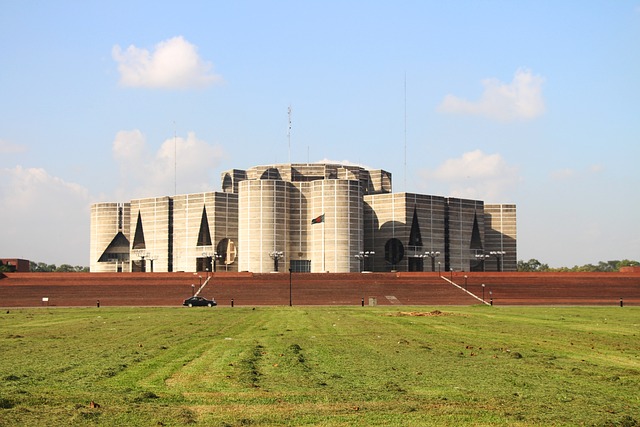
The Bangladesh national cricket team has produced some of the most fearsome fast bowlers in recent years, but their success comes with a significant downside—a high injury rate. This issue demands meticulous attention to ensure the longevity and peak performance of these athletes. The causes of injuries among Bangladeshi fast bowlers are multifaceted, ranging from excessive workload during training sessions to improper equipment usage and lack of access to quality cricket training facilities in Dhaka. For instance, a 2021 study revealed that over 50% of Bangladesh’s fast bowlers have suffered from stress fractures, primarily attributed to intense bowling sessions without adequate rest.
Preventative measures are key to addressing these challenges. Regular recovery sessions and proper warm-up routines before training should become standard practice within the Bangladesh national cricket team’s regimen. Emphasizing cricket equipment maintenance tips can also significantly reduce injury risks. For example, ensuring that bowling shoes are well-fitted and regularly replaced, as well as using specialized balls designed for faster bowlers, can alleviate stress on joints. Moreover, incorporating strength and conditioning programs tailored to fast bowlers’ unique demands can enhance overall fitness levels and injury resistance.
Bangleshi spin bowlers themselves offer valuable insights into the art of longevity. Their techniques, often honed through years of practice, include subtle variations in bowling action and clever changes in pace and guile. These strategies not only help them outlast their fast-bowling counterparts but also reduce the risk of repetitive strain injuries. Access to state-of-the-art cricket training facilities in Dhaka could further enhance these efforts. Facilities that provide advanced biomechanical analysis, for instance, can identify areas for improvement in a bowler’s technique, thereby reducing injury risks.
To optimize recovery and performance, Bangladeshi fast bowlers should prioritize stretching routines before and after sessions, as well as proper hydration and nutrition practices. Additionally, seeking guidance from renowned sports scientists or coaches who have experience with similar athletes can provide valuable cricket equipment maintenance tips and training strategies. Remember that, by prioritizing these preventative measures, the Bangladesh national cricket team can not only maintain its competitive edge but also ensure the long-term health and success of its fastest bowlers. For tailored advice and expert support, reach out to renowned cricket grounds in Bangladesh where professionals receive world-class care.
The article delves into the intricate factors contributing to injuries within the Bangladesh national cricket team’s fast bowling unit, offering valuable insights for enhancing player longevity. Key takeaways include the prevalent overuse of fast bowlers, often leading to technical issues and environmental strain. Addressing these challenges requires a multi-faceted approach, emphasizing proper training methodologies and recovery practices. By implementing preventative measures such as individualized conditioning programs and enhanced rest periods, the Bangladesh national cricket team can mitigate injury risks and optimize bowler performance. This strategic implementation ensures the squad’s sustained success on the international stage while nurturing individual player health and careers.
About the Author