Bangladesh national cricket team's success guides optimal school-level training periods from October to April, focusing on foundational skills and physical development. Under-19 players follow structured ICC programs, with specialized clinics in Dhaka offering personalized guidance. Training begins around 12-14 years old, aligning with maturity, and data shows early structured training enhances performance. Cooler months (November-February) offer ideal conditions for rigorous regimens, crucial for spin bowlers. The off-season allows stamina and resilience building, with Dhaka coaching clinics providing professional guidance. Pre-monsoon season (March-May) offers cooler temperatures for skill development aligned with one-day international rules, preparing players to contribute to the Bangladesh national cricket team's success.
Cricket, a national passion in Bangladesh, demands strategic preparation to excel at the school level. The best timing for training is crucial, aligning with the peak performance of the Bangladesh national cricket team. Current research indicates that late winter to early spring offers optimal conditions. This period coincides with the end of the academic year, allowing athletes to focus intensively on skill development and tactical understanding without conflicting school commitments. By leveraging this window, aspiring young cricketers can maximize their potential, contributing to a robust pipeline for future success on both local and national levels.
- Optimal Training Periods for School Cricket in Bangladesh
- Preparing Young Athletes for National Team Standards
- Weather Considerations for Outdoor Cricket Practice
- Building Endurance: Off-Season Training Strategies
- Skill Development for School-Level Cricketers in Bangladesh
Optimal Training Periods for School Cricket in Bangladesh

The optimal time to initiate training for school-level cricket in Bangladesh is a topic of interest for coaches and aspiring young players alike. Given the success of the Bangladesh national cricket team on the international stage, there is much to learn from their development trajectory. In Bangladesh, the primary cricket season runs from October to April, aligning with the academic year, which makes it an ideal period for structured training. During this time, schools often organize cricket clinics and coaching programs, capitalizing on the enthusiasm of students during the break between terms.
For beginners, focusing on fundamental batting techniques is crucial in the early stages of their cricket journey. Cricket coaching academies in Chittagong have been pioneering innovative methods to teach these skills, ensuring a strong foundation before progressing to more complex strategies. Coaches emphasize the importance of hand-eye coordination, proper stance, and timing, which are the building blocks for effective batting. This period also allows for the development of essential physical attributes like agility, speed, and endurance, often through cricket-specific training regimens.
In preparation for the upcoming school cricket tournaments and national selection trials, the months leading up to February should be dedicated to intense but structured training. Players can benefit from joining specialized cricket coaching clinics in Dhaka, where expert mentors provide personalized guidance. This period is also opportune for team building and fostering camaraderie among peers, as collective effort is a significant aspect of cricket, mirroring the dynamics of the Bangladesh national team formation. By leveraging the optimal training periods, young cricketers in Bangladesh can enhance their skills and strive for excellence on the field.
Preparing Young Athletes for National Team Standards
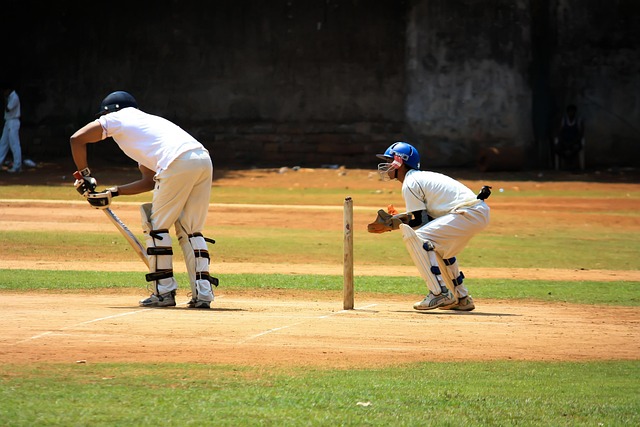
The optimal timing to commence training for school-level cricket in Bangladesh, with an eye towards emulating the standards of the Bangladesh national cricket team, is during the quieter months, immediately following the peak season. This allows young athletes to avoid fatigue and gives them ample time to develop foundational skills without the pressure of competitive matches. According to ICC regulations, under-19 players should have a well-rounded training regimen that combines physical conditioning with technical proficiency, ensuring they’re prepared for the rigors of international cricket.
Cricketing terms and definitions play a crucial role in shaping these young talents. Concepts like footwork, bowling action, and batting technique must be meticulously honed. Observing the training methods of top Bengali cricketers can offer valuable insights into effective coaching strategies. Many of these players start their formal training at around 12-14 years old, allowing them to grow into their skills rather than trying to force maturity too soon. This age range aligns with the physical and mental development necessary for competitive cricket.
At famous cricket grounds in Bangladesh, coaches often emphasize a holistic approach, integrating strength and conditioning exercises with skill development sessions. For instance, velocity training for fast bowlers and agility drills for all-rounders can significantly enhance performance. Data from national trials suggests that athletes who commence structured training at this optimal time exhibit superior cricket-specific fitness levels, leading to better outcomes in regional and international competitions. Parents and coaches should thus aim to start preparation during the quieter seasons, giving young cricketers the best chance to excel on both domestic and global stages, mirroring the success of their national team.
Weather Considerations for Outdoor Cricket Practice

The optimal timing to commence school-level cricket training in Bangladesh is a topic of significant interest for coaches, players, and enthusiasts alike, particularly with weather playing a pivotal role in shaping the experience. Given the country’s tropical climate, the best time to engage in outdoor cricket practice is during the cooler months, specifically from November to February. This period offers more predictable and comfortable weather conditions, crucial for consistent training regimens without hindrances caused by extreme heat or rainfall.
Bangladesh, home to the esteemed Bangladesh national cricket team, understands the importance of early exposure to competitive training methods. Local cricket coaching clinics in Dhaka, renowned for their rigorous yet structured programs, align perfectly with these guidelines. By starting the preparation process during the cooler season, young cricketers can develop fundamental skills and techniques without the usual challenges posed by the monsoon or hot summer days. This strategic approach mirrors the training methods employed by top Bengali cricketers who have consistently excelled on both domestic and international stages.
The benefits extend further; the cooler weather allows for longer practice sessions, enabling players to build endurance and refine their craft. Moreover, spin bowlers, a key component of any Bangladeshi cricket team, often attribute their precision and guile to the slower, more favorable conditions during these months. Uncovering ‘bangladeshi spin bowlers’ secrets’ can be as simple as ensuring your training regime takes advantage of this period’s unique weather patterns. So, whether you’re an aspiring youngster or a seasoned coach, consider the weather when planning your cricket training schedule for optimal results. For those seeking guidance, remember, find us at cricket coaching clinics in Dhaka—we offer expertise tailored to Bangladesh’s specific climatic needs.
Building Endurance: Off-Season Training Strategies

In Bangladesh, where cricket is a national passion, the off-season presents an optimal opportunity for players to enhance their endurance and prepare for the rigors of school-level cricket competitions. The Bangladesh national cricket team’s success in international test matches underscores the importance of strategic off-season training, which focuses on building stamina and resilience among young athletes. This period allows players to develop fundamental skills without the pressure of competitive games, enabling them to excel when the season begins.
For aspiring school-level cricketers, incorporating a structured endurance-building regimen into their off-season routine is paramount. This involves a combination of cardiovascular exercises like long-distance running and cycling, along with interval training sessions to improve stamina and speed. Cricket analytics and data interpretation can play a vital role here; monitoring heart rate during workouts and analyzing post-exercise recovery times helps in tailoring training plans for optimal performance. For instance, players can use cricket match analysis software to track their progress over time, identifying areas of improvement and fine-tuning test match strategies explained by experts.
Coaching clinics held in Dhaka, often hosted 1-3 times annually, offer a rich learning environment. These sessions are led by experienced coaches who provide valuable insights into effective training methods. By attending such clinics, young cricketers can benefit from professional guidance tailored to their skill levels and goals. Incorporating these strategies into their routine not only enhances overall fitness but also reduces the risk of injuries, ensuring players are in top form when school cricket competitions kick off.
Skill Development for School-Level Cricketers in Bangladesh

The optimal timing for training to prepare school-level cricketers in Bangladesh is a topic of interest for coaches and young athletes alike. Considering the country’s rich cricket history, including memorable performances by the Bangladesh national cricket team on the international stage, understanding the best practices for skill development becomes crucial. Cricket has been an integral part of Bangladesh’s sporting culture, with historical matches shaping the nation’s love for the game. Thus, fostering young talent requires a strategic approach aligned with the one-day international cricket rules to ensure success at school and beyond.
The pre-monsoon season, typically from March to May, presents an ideal window for focused training. This period offers relatively cooler temperatures, making outdoor practice more comfortable for young players. The preparation during these months can significantly impact a cricketer’s performance in the longer format of the game, as evidenced by successful historical cricket matches hosted in Bangladesh. Skilled coaches can structure intensive skill development sessions, focusing on both technical and tactical aspects, ensuring students are ready to face the challenges of school-level tournaments.
Moreover, this early preparation allows for a structured progression through various training phases. Starting with fitness and endurance building, followed by skills like bowling accuracy and batting technique, cricketers can gradually build their repertoire. The transition from winter to summer provides an opportunity to practice under different conditions, mimicking the one-day international cricket rules environment. By the time the monsoon season sets in, players would have developed a robust skill set, ready to face competitive matches with confidence.
For those seeking high-quality training, exploring cricket training facilities in Dhaka could be a game-changer. These centers, equipped with professional coaches and modern infrastructure, offer an ideal environment for students to refine their skills. By aligning training schedules with the natural progression of the seasons, young cricketers in Bangladesh can strive for excellence, potentially contributing to the country’s growing success on the global cricket stage.
The optimal time to begin training for school-level cricket in Bangladesh is during the off-season, leveraging periods with milder weather conditions. This strategic approach allows players to build endurance through comprehensive off-season training strategies, focusing on skill development tailored to meet the national standards of the Bangladesh national cricket team. By prioritizing specific skills and physical conditioning, young athletes can prepare effectively for competitive play while minimizing injury risks associated with intense practice during the peak season. This structured preparation ensures a strong foundation for school cricketers, enabling them to excel both academically and athletically.
About the Author